News
Our products are exported to over 30 countries.
Possess the full-process development capability from concept design to mass production and implementation

Possess the full-process development capability from concept design to mass production and implementation
During the assembly process of mobile phone middle frames (commonly made of titanium alloy, aluminum alloy, or stainless steel) with screens or back covers, bubble formation after adhesive curing remains a persistent challenge for process engineers. Bubbles not only compromise bond strength but also lead to failed airtightness tests (compromising IP68 waterproofing) and potential device scrapping.
Based on our experience serving multiple leading 3C electronics contract manufacturers, this article analyzes the root causes of bubble formation from three dimensions—process parameters, equipment performance, and adhesive characteristics—and provides actionable solutions.
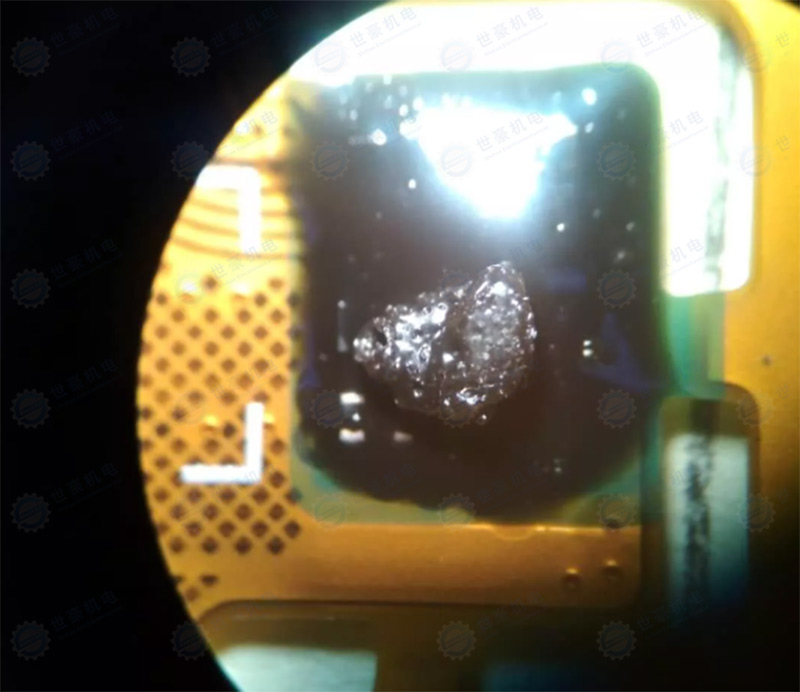
When troubleshooting on-site, we recommend following the "equipment → process → material" sequence. Bubble formation typically stems from one of these three factors:
This is the most common cause. Many standard curing ovens operate at full power during the heating phase, causing the adhesive surface layer to cure and skin over rapidly.
Physical Principle: Solvents or reaction by-products (such as small molecules from condensation reactions) need to volatilize. When the surface layer cures first, internal volatiles cannot escape and expand to form bubbles.
Typical Signs: When cut open, bubbles often appear hollow with smooth inner walls.
Mobile phone middle frames typically feature deep grooves, blind holes, or narrow gaps (such as volume button recesses).
Air Entrapment: During dispensing, adhesive flow may trap air within these recesses. Without sufficient negative pressure or auxiliary ventilation in the curing oven, these trapped gases expand when heated and cannot migrate out of the adhesive layer, forming bubbles within or at the edges.
Certain adhesives (particularly high-viscosity structural adhesives) may inherently contain microscopic bubbles from factory filling or on-site dispensing preparation.
Pre-curing Defects: Without proper vacuum degassing before dispensing, these barely visible micro-bubbles expand under high-temperature curing conditions, becoming visible bubbles.
Many existing curing ovens are general-purpose designs employing simple "set temperature → full power heating" modes. Such equipment has inherent limitations when handling precision 3C products:
Temperature Variations: Poor uniformity leads to localized overheating and premature curing.
Coarse Temperature Control: Inability to achieve gradual temperature ramping—only "one-step" heating is possible.
To address these pain points, the industry's mainstream solutions now incorporate multi-stage temperature control and vacuum-assisted curing technologies.
To eliminate bubbles completely, we recommend improvements across three dimensions:
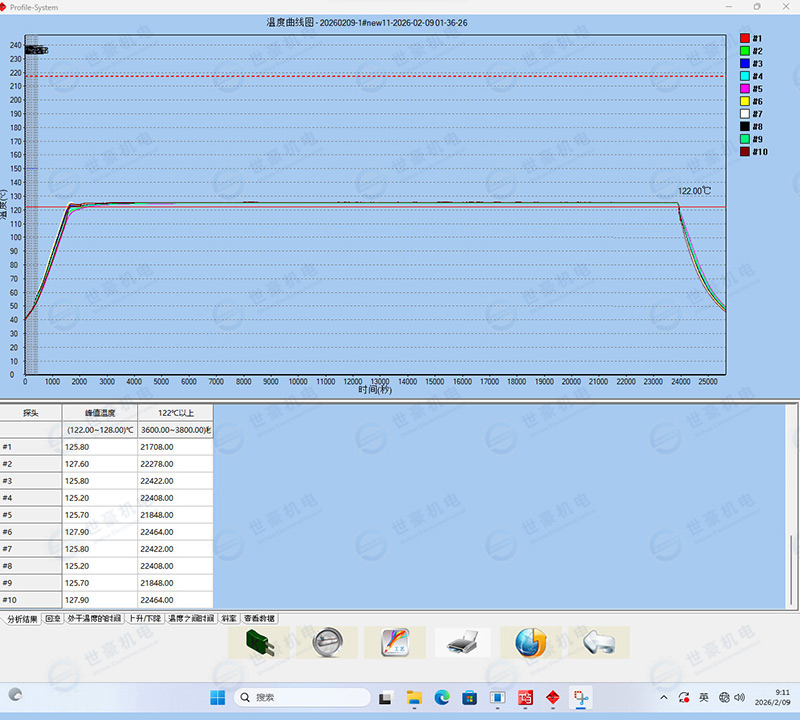
Replace traditional constant-temperature curing with multi-stage heating profiles.
Low-temperature Leveling Stage (60-70°C): Control heating rate at 3-5°C/minute. Allow adhesive to flow freely at low viscosity, filling microscopic gaps while enabling trapped air sufficient time to migrate to adhesive layer edges.
Medium-temperature Preheating Stage (80-90°C): Hold for 10-15 minutes. Enable solvents and volatiles to release gradually.
High-temperature Curing Stage (per adhesive TDS recommendations): Achieve peak temperature for final cross-linking reactions.
Result: "Ramped" heating provides adequate escape time for bubbles rather than trapping them.
Standard IR heating often overheats metal frame components while plastic/adhesive areas remain underheated.
Recommended Solution: Utilize precision hot air convection curing ovens.
Core Technology: Equipment should feature multi-point real-time temperature sensing (monitoring actual product temperature, not just chamber air temperature). When metal frame temperatures approach adhesive decomposition thresholds, the system automatically reduces power to that specific zone.
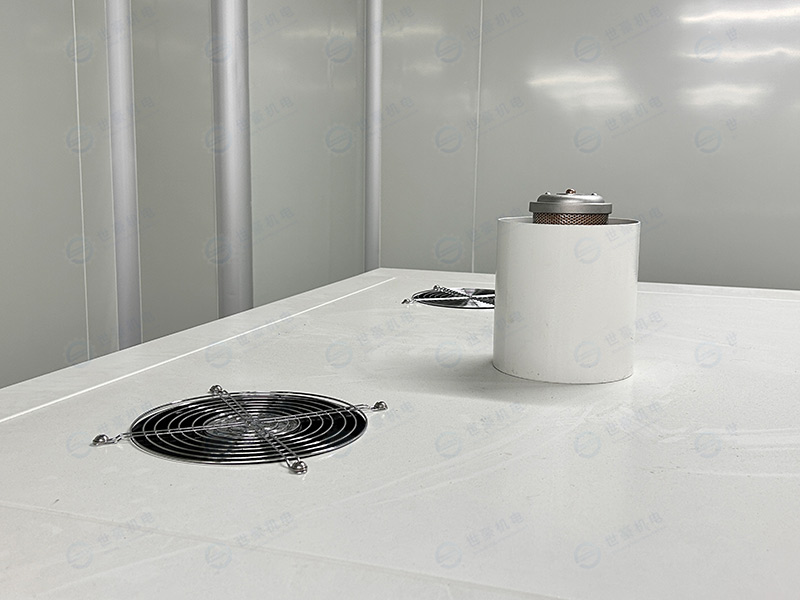
For IP68-rated waterproof mobile phone middle frames, consider incorporating vacuum-assisted modules within the curing oven.
Principle: Apply slight negative pressure (-0.02 to -0.05 MPa) while adhesive remains in low-viscosity state, extracting residual micro-bubbles from the adhesive layer before restoring atmospheric pressure for final curing.
How to solve bubbles in curing oven? The answer rarely lies in equipment or adhesive alone, but rather in the matching of process profiles with equipment precision. If you're troubled by adhesive curing bubble causes or seeking efficient bubble elimination in curing oven solutions, our process engineering team welcomes your consultation. We offer complimentary sample testing services and can customize curing profiles based on your specific adhesive and product structure.
19 years of focus on research and development as well as production